×

The Standard e-Paper
Join Thousands of Readers
 The Standard Group Plc is a
multi-media organization with investments in media platforms spanning newspaper
print operations, television, radio broadcasting, digital and online services. The
Standard Group is recognized as a leading multi-media house in Kenya with a key
influence in matters of national and international interest.
The Standard Group Plc is a
multi-media organization with investments in media platforms spanning newspaper
print operations, television, radio broadcasting, digital and online services. The
Standard Group is recognized as a leading multi-media house in Kenya with a key
influence in matters of national and international interest.
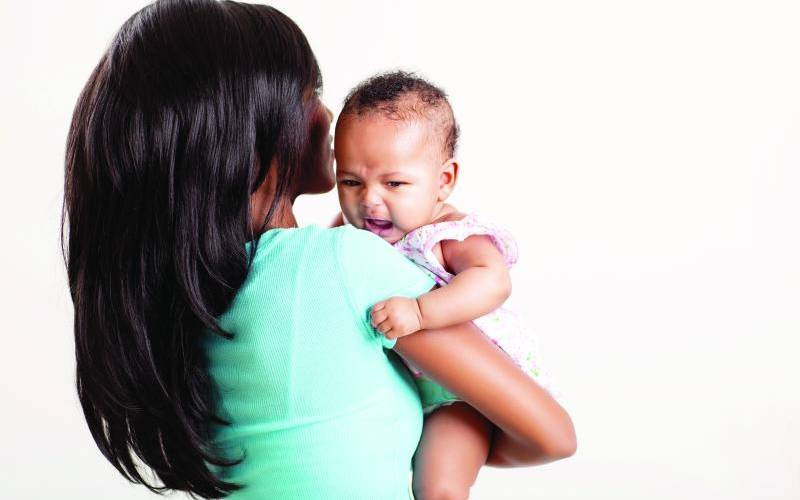
Even in slums, deep rural areas and in situations of great social difficulty, not many mothers give birth in a cowshed.
The nativity of Jesus in Bethlehem, on the one hand, presents us with a spirituality of humility, determination and vulnerability.
On the other hand, it presents us with a radical spirituality to confront social ills that demean mothers, fathers and children.
The parents of Jesus were poor, marginalised, and unrecognised. The Roman authority had decreed a census, and so Mary and Joseph had to travel back to Bethlehem to be counted.
Despite being in advanced pregnancy, the government call had to be honoured, and so Mary, in the company of her husband, Joseph, had to find a place for the child to be born.
The inn, as the Gospel accounts narrate it, was full. So Jesus was born at night in a trough for animals for that is what a manger is.
The nativity accounts give us reason to believe in a God of impossibilities. In our developing countries, also referred to as Third World Countries, well-resourced parents often move to the US or other developed countries, or to top maternity hospitals, to deliver. I don’t condemn this, for resources are meant to improve our lives and give the best to children.
However, there is no honour when a mother gives birth in demeaning conditions in a country where fellow human beings who profess faith in God, go to shop abroad.
How can we explain that maternal health in parts of the country is in limbo when billions are diverted to individuals?
Those of us who have such massive resources, how do we assuage our conscience that all is fine, eat and drink plenty? How do we fly in choppers to campaign when mothers risk their lives to give birth?
It should pain any woman or man in authority with influential powers to improve maternal health, but instead, is busy focusing on secondary projects and programmes to essential services like maternal health.
To be human is to care beginning with ensuring quality, timely and accessible maternal health services.
Maternal health
The God of impossibilities, through this account of the nativity of Jesus, reminds those of us who have plenty that life begins at conception and ends in death.
Christmas is a reminder that motherhood is a source of life deserving the best care that anyone, any country, any institution can afford.
Stay informed. Subscribe to our newsletter
The good news on this Christmas day is that no matter our social status, God never abandons us even the darkest moments of our lives. Mary and Joseph could not have chosen a manger as their child’s bed.
In the circumstances that is all they had. The government system for maternal health in the country had no priority for expectant mothers.
That is over 2000 years ago and we are still running maternal health systems that are insensitive to critical moments of bringing forth human life.
We also learn in this nativity account that human life is vulnerable. Mary, as a mother, was vulnerable in the cowshed. Joseph was vulnerable taking care of mother and child in the harshest of conditions.
The child Jesus was vulnerable to a hostile environment in a manger. The only consolation was that God took charge. The local authorities had no system similar to emergency call lines today to help the most vulnerable.
Those who had plenty rested in good hotel rooms as poor Mary and Joseph struggled in the night to provide all they could to their new born child. But, they trusted in God and braved through the difficult moments. God in his mysterious ways protected them from harm.
When we celebrate Christmas we have to reflect on the dignity of our mothers. There is no mother who is more important than another.
Mothers are precious life givers. Joseph stood by Mary at the hour of need feeling helpless but doing all he could. It is in faith that he carried Mary through the difficult moment. Neither a father, a mother or a new born child should be subjected to a broken health system in any country.
The writer is the Executive Director of Loyola Centre for Media and Communication







Subscribe to our newsletter and stay updated on the latest developments and special offers!








 join
join