×

The Standard e-Paper
Join Thousands Daily
 The Standard Group Plc is a
multi-media organization with investments in media platforms spanning newspaper
print operations, television, radio broadcasting, digital and online services. The
Standard Group is recognized as a leading multi-media house in Kenya with a key
influence in matters of national and international interest.
The Standard Group Plc is a
multi-media organization with investments in media platforms spanning newspaper
print operations, television, radio broadcasting, digital and online services. The
Standard Group is recognized as a leading multi-media house in Kenya with a key
influence in matters of national and international interest.

Audio By Vocalize

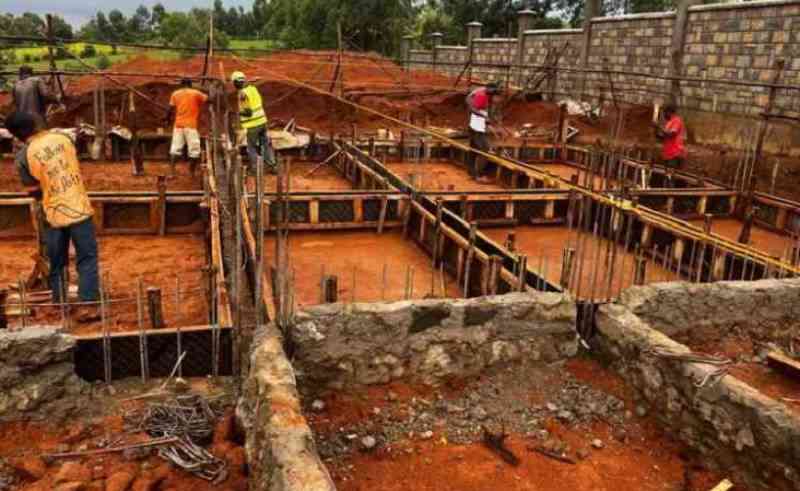
Workers at a construction site. Africa needs 150,000 more project management professionals by 2035 to meet its infrastructure ambitions, PMI warns. [File,Standard]
Sub-Saharan Africa faces a shortfall of nearly 150,000 construction project professionals by 2035, even as governments pour billions into infrastructure, Project Management Institute (PMI) research shows.
Demand for construction project professionals across the region is projected to rise from about 260,000 in 2025 to more than 410,000 by 2035, leaving a 57 per cent talent gap, one of the highest growth rates globally.
At the centre of this transformation is the Programme for Infrastructure Development in Africa (PIDA), a continent-wide initiative targeting more than 400 priority projects spanning energy, transport, information and communications technology (ICT) and transboundary water systems, backed by over $360 billion in committed funding.
"Construction sits at the heart of the region's development ambitions," said George Asamani, managing director of PMI Sub-Saharan Africa.
"But without the right project management capabilities, we risk delays, cost overruns, rework and, ultimately, lost value," he added.
PMI data shows that approximately 10 per cent of global project investment is lost annually due to poor performance, translating into billions in unrealised value in a region deploying hundreds of billions into infrastructure.
PMI's research identifies Sub-Saharan Africa as the region with the highest growth in demand for construction project professionals globally, with Ethiopia leading the surge, with projected annual demand growth of 7.8 per cent.
The talent shortage is part of a broader global trend, with PMI estimating that nearly 2.5 million additional construction project professionals will be needed worldwide by 2035.
The report traces the problem to more than a numbers deficit.
Employers report critical shortfalls in core project management competencies, including scheduling, planning and resource optimisation, as well as communication, collaborative leadership and stakeholder engagement.
PMI's research points to digitalisation, including Building Information Modelling (BIM), digital twins and artificial intelligence (AI), as levers to unlock efficiency, improve transparency and reduce costly rework. However, construction in Sub-Saharan Africa has historically lagged other industries in technology adoption.
"Construction is highly visible and deeply scrutinised," Asamani noted, adding, "Every bridge, hospital or power plant carries public expectations. When projects go wrong, the impact is felt not just financially, but socially and politically."
PMI called for governments and employers to invest in professional development and structured career pathways, noting that certifications such as the PMI Construction Professional (PMI-CP) were helping equip workers to manage the growing complexity of modern infrastructure projects.
"If we want infrastructure to be a true engine of gross domestic product (GDP) growth, we must professionalise the way we deliver it. We cannot afford to treat training as a cost. It is an investment in national competitiveness," said Asamani.
Stay informed. Subscribe to our newsletter







Subscribe to our newsletter and stay updated on the latest developments and special offers!








 join
join