×

The Standard e-Paper
Home To Bold Columnists
 The Standard Group Plc is a
multi-media organization with investments in media platforms spanning newspaper
print operations, television, radio broadcasting, digital and online services. The
Standard Group is recognized as a leading multi-media house in Kenya with a key
influence in matters of national and international interest.
The Standard Group Plc is a
multi-media organization with investments in media platforms spanning newspaper
print operations, television, radio broadcasting, digital and online services. The
Standard Group is recognized as a leading multi-media house in Kenya with a key
influence in matters of national and international interest.

Audio By Vocalize
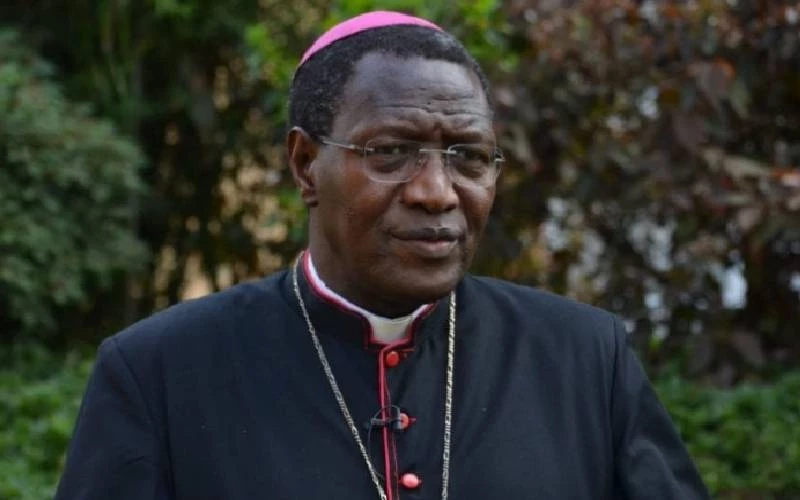
The Catholic Diocese of Kericho has called on the government to urgently intervene to stop the alleged destruction of the Londiani Forest Block and address rising tensions over land at the Samburet Tea Estate.
Bishop Alfred Rotich warned that continued destruction of the forest and the conflict at Samburet could threaten the environment, livelihoods and peaceful coexistence among communities living in the area.
In an open letter to President William Ruto dated August 4th,2026, Rotich said the Londiani forest block, particularly the Samburet area and its environs, was facing what he described as unprecedented destruction driven by human exploitation and political interests.
“What was created to be a source of life, clean air and water for humanity, animals and plants is being sacrificed at the altar of short-term human greed and reckless exploitation,” Rotich said.
He asked the government to intervene decisively to protect the forest and prevent further encroachment, logging and degradation of the ecosystem.
“The government must intervene decisively to stop further destruction of the Londiani Forest Block and protect Samburet and its surrounding ecosystem,” he said.
The bishop said the destruction of the forest should not be treated merely as an environmental issue, warning that its consequences would be felt by communities whose lives and livelihoods depend on the ecosystem.
“The destruction of the Londiani Forest Block is not merely an environmental concern; it is a threat to the lives, livelihoods and future of the communities that depend on this ecosystem,” he said.
Rotich called on President Ruto to direct the Kenya Forest Service and other relevant government agencies to strengthen the protection of the forest and surrounding areas.
He also urged security agencies to act against individuals involved in activities threatening the integrity of the forest, while calling for firm action against those accused of encouraging encroachment and destruction.
The bishop expressed concern over the role of political interests in the dispute, urging leaders to avoid statements and actions that could inflame tensions in the area.
“Political interests must not be allowed to override the common good or compromise the protection of our forests,” said Rotich
The appeal comes at a time when tensions remain high at Samburet Tea Estate, where rival groups have been involved in a dispute over a parcel of land, with recent confrontations leaving several people injured.
The dispute has also raised concerns over the safety of workers at the tea estate and residents in the surrounding communities.
Rotich urged the government to address the underlying issues at Samburet before the conflict escalates further.
Stay informed. Subscribe to our newsletter
He called on residents involved in the dispute to abandon violence and embrace dialogue, saying community elders, political leaders and other stakeholders should work together to restore peace.
“We call upon all parties in Samburet to embrace dialogue and peaceful coexistence and to put an immediate end to confrontations,” said Rotich.
The bishop said the community could not afford to allow a land dispute to deepen divisions or threaten the lives of residents and workers.
“Community elders, political leaders and all stakeholders must come together to secure an immediate ceasefire and restore lasting peace in Samburet,” he said.
Rotich cautioned political leaders against inflammatory statements and actions that could worsen the situation, urging them instead to use their influence to promote reconciliation.
“Leaders should use their influence to promote unity, reconciliation and peaceful dialogue rather than deepen divisions within the community,” he said.
The bishop also invoked the teachings of Pope Francis contained in the encyclical Laudato Si’, saying the destruction of the environment was a threat to the common good and future generations.
He said the Church could not remain silent while forests were degraded and communities faced conflicts over land and natural resources.
“We cannot remain silent as our forests are destroyed and our natural resources degraded for short-term interests,” said Rotich.





Subscribe to our newsletter and stay updated on the latest developments and special offers!








 join
join